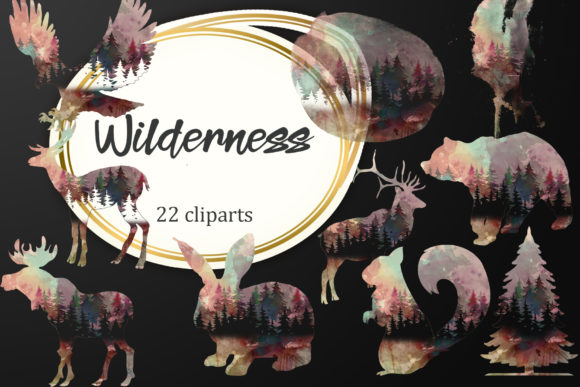
Wilderness Illustrations for Real Business
As a brand designer, I often look for graphic design assets that can elevate a small business’s visual identity without overwhelming it. Wilderness, a set of illustrations, offers a unique blend of natural aesthetics and creative potential that can be tailored to various local business needs. Its organic feel and versatile style make it a strong candidate for branding, packaging, and promotional materials.
First Impressions: Nature Meets Modern Design
Wilderness immediately evokes a sense of calm and authenticity. The illustrations have a handcrafted quality that feels both modern and nostalgic. This duality makes it suitable for brands that want to communicate a connection to nature while maintaining a contemporary edge. It suggests a brand personality that is friendly, earthy, and slightly whimsical—perfect for handmade businesses, boutique stores, or food-related ventures.
The mood of Wilderness leans toward the organic and the artisanal. It doesn’t scream boldness, but it does offer a soft, inviting presence that can work well in product labels, social media graphics, and packaging design. Whether used as a background element or a focal point, it adds a touch of warmth and creativity to any project.
Real-World Applications for Local Businesses
For a small business owner looking to build a cohesive brand identity, Wilderness can serve as a key visual element. It works well in logo design when paired with typography that complements its organic feel. For a coffee shop or a skincare brand, using Wilderness as a background or accent can help create a more memorable and engaging experience for customers.
In product labeling, Wilderness illustrations can enhance the visual appeal of a product. A handmade soap business, for example, could use these illustrations on packaging to emphasize the natural ingredients and artisanal process. Similarly, a bakery might incorporate them into menu graphics or printable inserts to add a personal touch to their offerings.
Wilderness also shines in promotional visuals. Whether it's a seasonal campaign for a florist or a limited-time offer for a local store, the illustrations can be adapted into posters, flyers, and social media graphics. Their versatility allows for easy integration into marketing materials without sacrificing visual consistency.
Supporting Business Presentation and Branding
When used effectively, Wilderness can strengthen a brand’s first impression. A well-designed product label with these illustrations can make a product stand out on the shelf, increasing the chances of customer engagement. This is especially important for small businesses competing in crowded markets.
Visual hierarchy is another area where Wilderness can make a difference. By using the illustrations strategically, a designer can guide the viewer’s eye through the design, ensuring that key information such as product names, pricing, and calls to action are clearly visible. This helps in creating a more polished and professional appearance.
Consistent brand identity is crucial for building trust with customers. Wilderness provides a cohesive visual language that can be applied across multiple touchpoints, from packaging to social media. This consistency reinforces the brand’s message and makes it more recognizable to consumers.
Best Uses for Wilderness in Business Design
Wilderness excels in applications where a natural, handcrafted aesthetic is desired. Product labels, for instance, benefit from the organic shapes and textures found in these illustrations. They can be used as accents or backgrounds to add depth and interest without distracting from the main content.
Hero graphics for websites or social media campaigns also benefit from the visual appeal of Wilderness. These illustrations can serve as a backdrop for headlines, banners, or featured products, helping to create a more engaging and immersive experience for users.
Seasonal packaging is another area where Wilderness shines. A holiday-themed product line could incorporate these illustrations to evoke a sense of warmth and celebration. They can also be used in thank-you cards, stickers, or hang tags to add a personal touch to customer interactions.
Where to Use Wilderness Carefully
While Wilderness is versatile, it may not be the best fit for every design scenario. In formal corporate branding, where minimalism and clarity are key, the intricate details of the illustrations might overwhelm the overall look. Similarly, in very small labels or crowded layouts, the complexity of the design could reduce readability.
Legal information areas or ingredient-heavy layouts require clean, straightforward visuals. In these cases, Wilderness might compete with the essential text, making it difficult for customers to access important details. Low-contrast backgrounds can also diminish the impact of the illustrations, making them less effective.
Luxury minimalist brands may find that Wilderness feels too busy or decorative. For these types of businesses, a simpler, more refined visual approach is often preferred. Designers should consider the brand’s overall aesthetic before incorporating Wilderness into their work.
Practical Designer Notes for Using Wilderness
Before finalizing a design, it’s essential to test Wilderness on real packaging mockups. This helps ensure that the illustrations look good in different sizes and formats. Checking black and white usage is also important, as some designs may lose their impact when printed without color.
Previewing the illustrations on small labels can reveal how they scale and whether they remain legible. Testing them with brand colors helps maintain visual consistency and ensures that the design aligns with the overall brand palette. Comparing Wilderness with competitor packaging can also provide insights into how it stands out in the market.
Print quality is another consideration. High-resolution PNG or SVG files are necessary for professional results, especially when used in physical product sales. Reviewing the transparency of PNG designs and inspecting the editability of SVG files can prevent unexpected issues during production.
Testing Wilderness beside different font styles—such as serif, sans serif, script, or handwritten fonts—can help determine which combinations work best. Finally, always confirm that the asset has a commercial license, especially if it will be used for client work or physical product sales.